
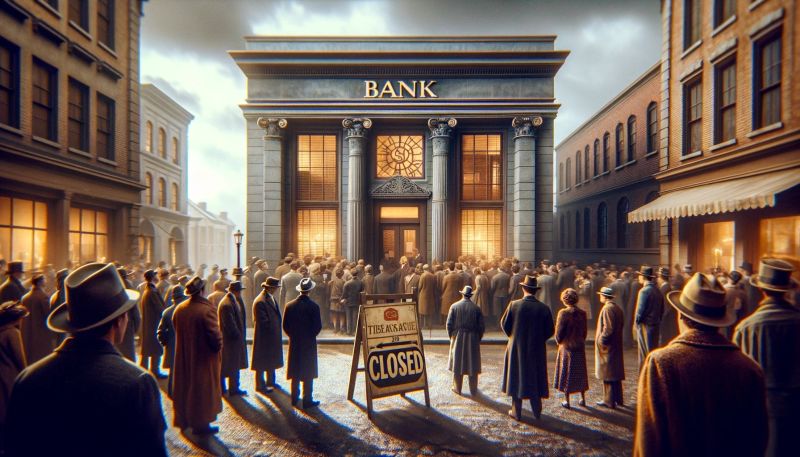
The financial sector is at a fascinating crossroads. In today’s fast-paced digital world, traditional methods increasingly meet advanced technologies. A recent discussion about digital bank runs – highlighted again after events at Credit Suisse – shows how quickly the Digital Shift is reshaping expectations. For additional context on structural market transformations, the analysis of Swiss EAM custody growth and the strategic dynamics of the US RIA market offers valuable parallels.
Consider the contrast. Our social media, online banking, and card payments operate continuously. Yet the traditional FIAT clearing system still pauses on weekends and public holidays. Consequently, this creates a visible gap between digital behaviour and financial infrastructure. The Paradeplatz Santa Claus reflection illustrates how even cultural habits collide with modern expectations. Moreover, insights into relationship manager dynamics and client interaction preferences show that technology subtly changes human elements as well.
Why the Digital Shift Matters
The Credit Suisse case demonstrated how social media can accelerate financial reactions. Because information spreads instantly, digital communication can outpace regulatory processes. As a result, the blend of fast-moving online signals and slow legacy systems exposes vulnerabilities. Furthermore, the friction mirrors challenges seen in Swiss independent wealth management, where technology and tradition must also coexist. Even seasonal reflections, such as Santa Claus in Zurich, highlight how quickly narratives can shape expectations in a connected world.
Looking ahead, the industry must adapt. Therefore, banks and wealth managers need to combine digital speed with resilient processes. If they succeed, the Digital Shift will not only strengthen stability but also encourage innovation. However, ignoring this transition could widen existing structural gaps. Ultimately, the changes reflect a more profound transformation in how society interacts with money.
As we explore the future of banking, we should ask how to blend traditional safeguards with modern efficiency. Only by doing so can finance remain resilient, competitive, and client-centred. What are your ideas for navigating the Digital Shift in a world where everything accelerates?
Source: LinkedIn