
Stop chasing the perfect system. I have written before that the ideal combination of CRM and portfolio management probably does not exist, and I still believe it. All-in-one platforms promise simplicity, yet in practice they create new limits. The more honest goal is not one flawless tool but a well-built wealth management data hub that every team can rely on.
Compliance needs different functionality from portfolio management. Relationship managers need another view again, while operations and risk each require their own workflows and access rights. When a single platform tries to serve all of them equally, it usually serves none of them well. That tension is exactly why I keep rethinking CRM and portfolio management systems rather than searching for one master application.
Why a Wealth Management Data Hub Beats the Perfect System
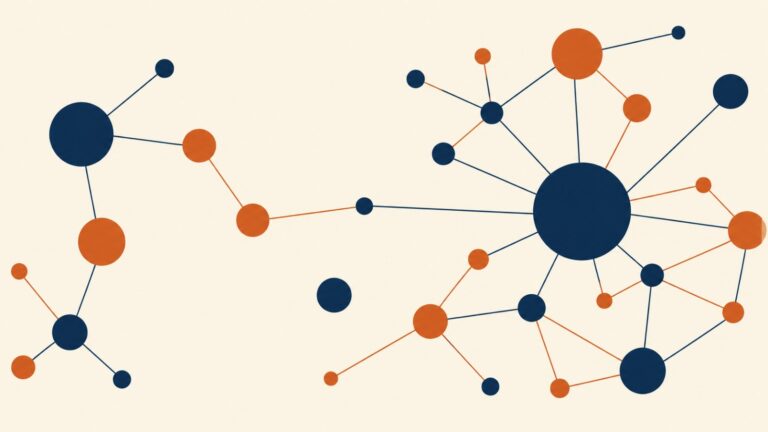
A strong data hub acts as the central source of truth. Client records, portfolios, transactions, documents and compliance data live in one reliable, well-governed structure. Different applications then sit on top of it, shaped around the user and the task. Compliance sees what compliance needs, portfolio managers get the relevant investment data, and relationship managers work in a CRM built around client interaction.
Each team uses specialised software while the underlying data stays consistent. This is also where a single, consolidated view of client wealth proves its worth, because reporting only becomes trustworthy when the numbers beneath it agree. The hub does not replace these tools; it keeps them honest.
Stable at the Centre, Flexible at the Surface
This matters even more in the age of AI. AI tools are only as good as the data they can reach, and fragmented or duplicated records produce weak results no matter how advanced the software looks. Firms investing in wealthtech and AI often discover that their real bottleneck is data quality, not model quality. Clean, structured data is the quiet foundation that makes everything above it credible.
It reminds me of my early days at Citicorp Private Bank. We worked with a stubborn mainframe, neither flexible nor pretty, but the data quality was excellent. Perhaps the modern version of that mainframe is the data hub itself, and the debate about IT infrastructure in independent firms versus traditional banks often comes back to this same point.
Instead of replacing entire platforms every few years, institutions can adapt the software layer while protecting the quality, history and continuity of their data. I have returned to this theme across the wealth management blog archive, because it shapes almost every technology decision a wealth manager makes. So here is my question: do we need a better all-in-one system, or simply a better data foundation?
Source: https://vapa.ch/stop-chasing-the-perfect-system/ · vapa.ch